Learning app & dictionary · Direct method
Learn Germanthroughimages,articles and sound.
Artikle is an app for learning German and a visual online dictionary. Every word comes with an illustration, the article and pronunciation from a native speaker. Word and image are anchored together, the way the Berlitz direct method works and the way a child picks up a second language from its surroundings.
Examples · three genders, three colours
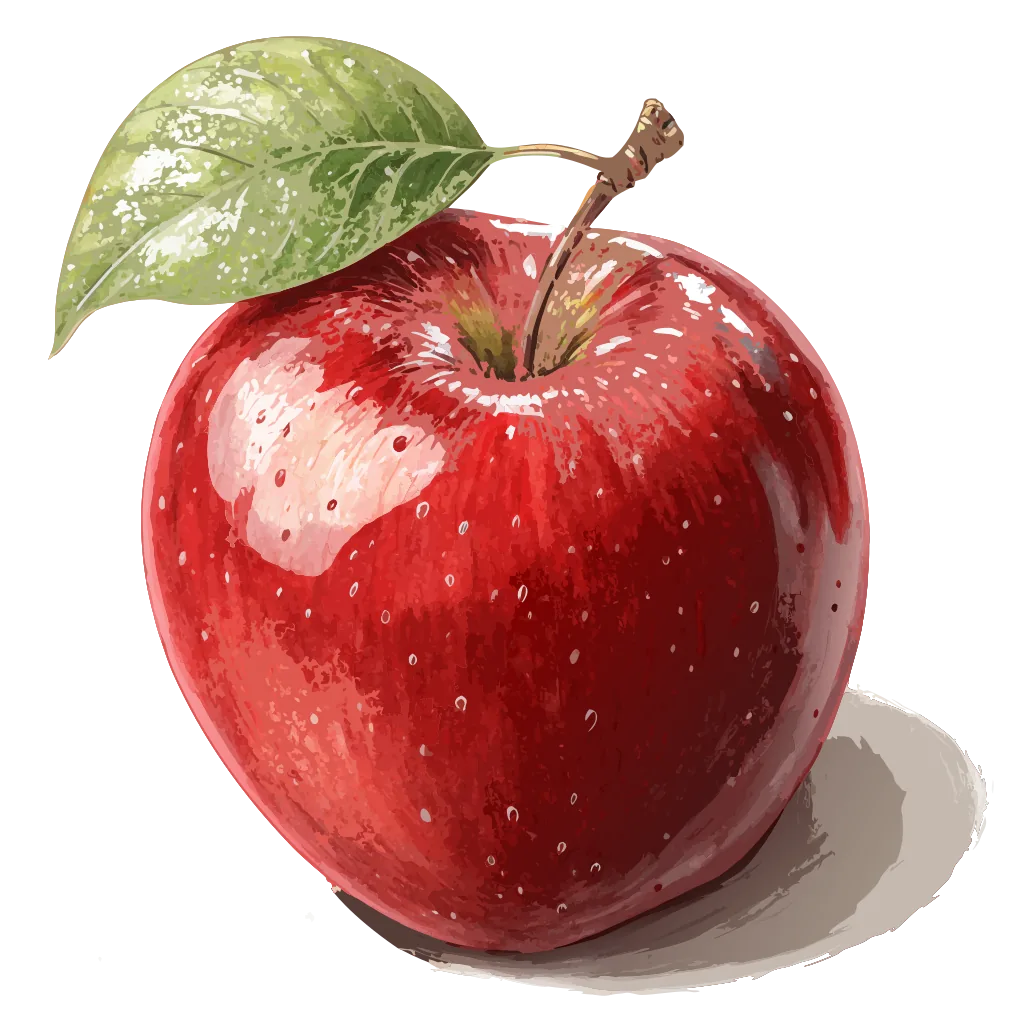
The fruit of the apple tree, yellow-red to green, edible.

A structure crossing a river, road or chasm.
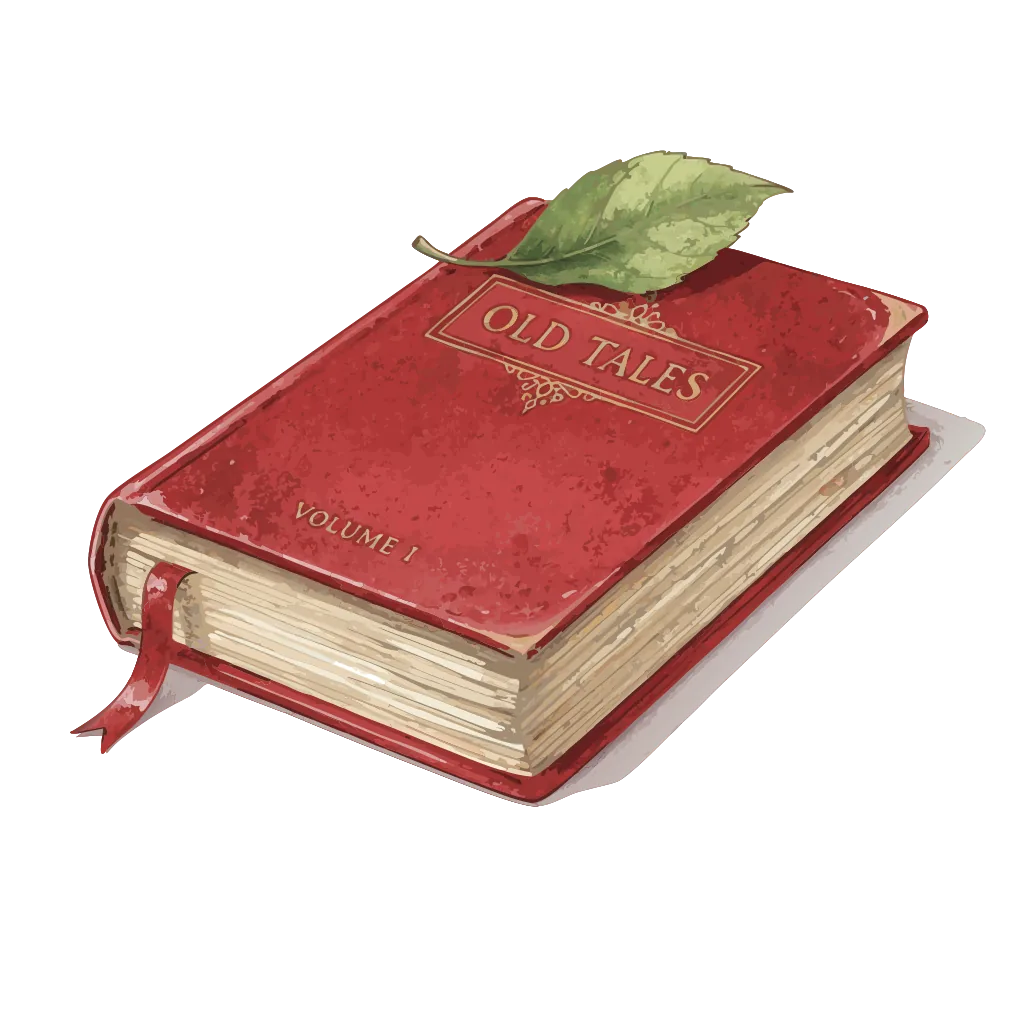
A bound collection of paper pages for reading, writing or reference.
Artikle is for everyone who has moved to Germany, Austria or Switzerland, or is planning to, and finally wants to switch from“I translate in my head”to“I think in German”.
Goal: Goethe exam, a German-speaking job, university, integration or meaningful reading. Level: from A1, with the strongest effect on A2-C1. Age: most often 25-45. You want a serious tool that works on meaning and fluency, alongside Duolingo or in place of it.
Three decisions that set us apart from Duolingo, Babbel and classic flashcards.
- § 01Method
Word through image, sound and example
Every dictionary entry is a German word with an illustration, native-speaker pronunciation and a short example. The brain ties the lexeme directly to the concept, so you stop stumbling when you speak. The direct method, a hundred and forty years old, in a contemporary form.
- § 02Gender
The article baked into every word
Grammatical gender is the sore spot of learning German. In Artikle the article is not “next to” the word, it is learnt with it: every card encodes der, die, das visually and anchors the pair “word + gender” as a single memory trace, not two separate facts.
- § 03SRS
Spaced repetition, tuned for German
The FSRS algorithm respects morphology: nouns with predictable gender come up for review less often than those whose gender does not follow from the ending; strong verbs get an extended check of their three principal parts; separable prefixes are tracked separately.
Four steps, every day.
The learning loop in Artikle is built as a ritual, not as a game. Fifteen minutes a day are enough to keep two thousand active words in your head and to add twenty to thirty new ones per week.
- I
Tell us about yourself
Your level (A2-C1) and your goal: Goethe exam, work, integration, reading. We tune a starting deck and the pace to match.
- II
Look at the picture
Every card carries the word, a visual image, its pronunciation and examples in context. A translation into your native language only appears when you ask for it, not earlier.
- III
Rate how well you remember
Four ratings: again, hard, good, easy. The algorithm sets the intervals so the word is not forgotten, and your time is not spent in vain.
- IIII
Come back for the reviews
A short session daily. New words enter step by step; old ones come back exactly when you are about to forget them.
What people ask most often.
№ 01What sets Artikle apart from Duolingo or Babbel?
Duolingo and Babbel teach mainly through translations: “Apfel = apple, Hund = dog”. That works well for the first hundred words but interferes with fluency at intermediate level: you think in your native language, translate in your head and answer with a delay. From the very first card, Artikle ties the German word straight to an image, the Berlitz method in a contemporary form. It is not “better/worse”, it is a different tool for a different job: Duolingo is more comfortable for a quick start, Artikle for the road to fluency and to working with meaning.
№ 02Is Artikle suitable for A1 and for B1 / B2 / C1?
Yes. At A1 Artikle also works, the visual approach fits elementary concepts (objects, actions, places). The method shows its full strength from A2 upwards: that is where inner translation becomes the main bottleneck, and dropping it visibly speeds up speaking. At launch the corpus contains fewer than a thousand words; by the end of 2026 we plan to grow it tenfold, including abstract vocabulary (freedom, responsibility, sustainability) and specialised topics.
№ 03Can I start from zero German?
Yes. The A1 track is built so that you can start without leaning on your native language: the first cards are everyday objects and situations where the image is understandable without translation. If you prefer to start with a classic translation app and switch to Artikle from A2, that is a valid path too; the method does not suffer.
№ 04Is there a free version?
Yes. At launch there is a free tier with a daily limit on new cards, enough to see whether the method works for you. A subscription unlocks unlimited reviews, offline mode and the extended dictionary.
№ 05When is the launch?
We are in the final stretch of development and ship in the current quarter. Join the waitlist. Early subscribers get early access and special terms.
№ 06Which platforms will Artikle be available on?
At launch on iOS and Android. The web dictionary (with a dedicated page for every German noun, including article, examples and image) needs no install and works on any device.
We are starting with a first, small wave.
This is an invitation, not a newsletter. The first users get early access, special subscription terms and a direct line to the team. Over the coming weeks we will write exactly once, when we open the app.